What's New

Oetker Collection to open First Italian Masterpiece Hotel in partnership with Reuben Brothers - Hotel La Palma, Capri - April 2022

February 23rdCapri
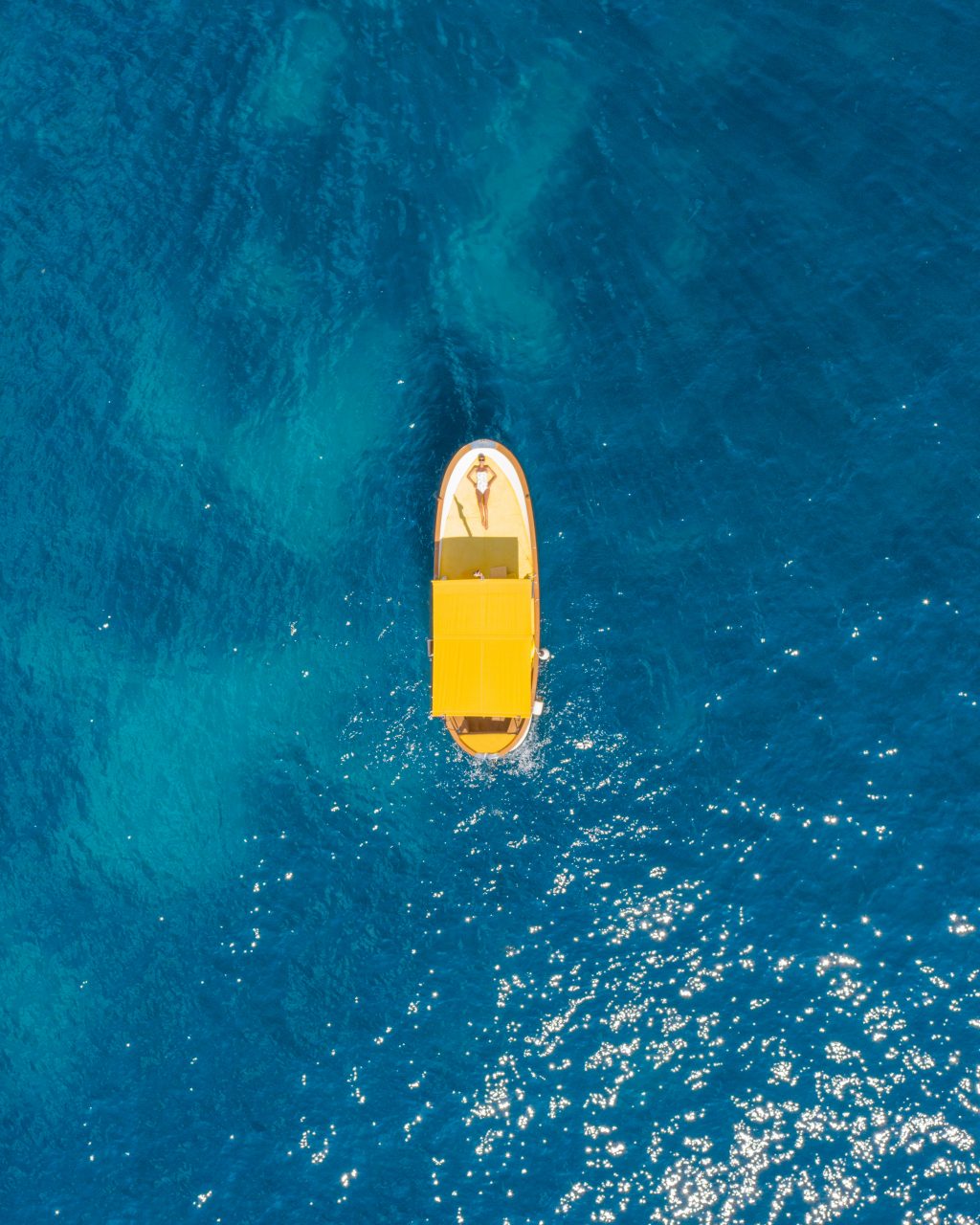
Oetker Collection today announces the addition of Hotel La Palma in Capri, Italy, to the group’s portfolio of Masterpiece Hotels, debuting in April 2022. Reimagining a Capri icon, the 50-key hotel in vibrant Capri Village will be a complete transformation of the original Hotel La Palma that dates back to 1822 – the first and oldest hotel on the island. In line with Oetker Collection’s mission to create meaningful connections in endearing places, the brand’s first Italian property is set bring to life the island’s iconic dolce vita lifestyle. The hotel is owned by Reuben Brothers, marking the latest landmark procurement in their pipeline of investments and developments in Europe. The Reubens Brothers’ acquisition also includes the legendary La Taverna Anema e Core nightclub, a famous nightspot frequented by celebrities, located in the same premises.

SET THE SCENE

Hotel La Palma will celebrate the timeless and warm hospitality for which Oetker Collection is loved. The property has been conceived as a unique, elegant Mediterranean retreat on the fabled Italian island for the modern traveller. The original hotel on Capri will once more become the chicest address on the island for people who want to see and be seen. During its renovation, the room count of the hotel is being drastically decreased, from 80 to 50 rooms – including 18 suites – each complete with its own private balcony or terrace. The property’s interiors are currently being transformed by two acclaimed architects, led by Rome-based Francesco Delogu of Delogu Architects for the rooms and lobby, and New York-based Tihany Design – one of the world’s preeminent hospitality design firms – led by Adam Tihany and Alessia Genova, for the restaurant, pool, spa, and beach club.  Located in the beating heart of Capri, just around the corner from the famous Piazza Umberto I – well-known as the ‘Piazzetta’ – Hotel La Palma is perfectly positioned for guests to visit some of the most notable sites of Capri: I Giardini di Augusto, Via Krupp, La Certosa and the iconic Faraglioni. Another of the island’s best-known, must-visit natural sites in easy reach from the hotel is the ‘Grotta Azzurra’ – the Blue Grotto – a dark cavern where the sea glows electric blue, the result of sunlight passing through an underwater cave.

A FEAST FOR THE SENSES

In true Italian fashion, Hotel La Palma will be a gourmand’s delight, with Gennaro’s restaurant, bar and terrace, under the culinary direction of Chef Gennaro Esposito. Esposito is a true name in the region, having run his own two-Michelin Star restaurant, Torre del Saracino, for the last 23 years. A simple, stylish step back in time to the Capri of the 1950s, Gennaro’s will embrace the timeless romance of the island, serving unpretentious, authentic Italian cuisine. A contemporary, vibrant place that shuns formality and celebrates the spirit and cuisine of Capri, Gennaro’s will also benefit from being right next door to the great Taverna Anema e Core. Another highlight will be Bianca, a glamorous, newly created rooftop restaurant and bar open ’til late with spectacular views over the sea and Capri Village. Bianca, also under the culinary direction of Chef Gennaro Esposito, will become the island’s chicest hangout, transporting guests to another time and place. In addition, Hotel La Palma will offer a brand-new pool deck, complete with an elegant pool bar which pays homage to the ‘classic Capri’ of the golden age.

TO THE BEACH

A short drive to Capri’s southern coast, guests will discover Hotel La Palma’s elegant, yet buzzing La Palma Beach Club in the Marina Piccola, home to the island’s most famous beaches and restaurants. This will be the place where fabulous people come and go, to watch sun-drenched days flow into glittering twilight evenings. Open to non-hotel guests, visitors will come from yachts and neighbouring hotels as La Palma Beach Club becomes the meeting place of choice on the island for long, lazy lunches created by Gennaro Esposito and sunset cocktails. By day, it will be a playground for the great and the good and by night, home to carefree indulgence and the place to rendezvous and soak in Capri’s animated social scene. Back at the hotel meanwhile, there will be an indulgent spa which will offer three treatment rooms, including one double treatment suite, a sauna, steam bath and ice shower, relaxation space and fitness centre. The hotel will also offer three boutiques.

THE ICONIC ITALIAN ISLAND

Effortlessly laidback and a synonym for enduring elegance, Capri is an island in Italy’s Bay of Naples off the Sorrento Peninsula, famed for its rugged landscape, iconic restaurants, excellent shopping and glamorous visitors from the literati, dignitaries, royalty and A-list celebrities. Accessed exclusively via boat, yacht or helicopter from the mainland, Capri has remained a popular tourist destination since the 1950s; a sun-soaked playground for the contemporary jet set that captures the quintessential spirit of the Mediterranean in Italy’s Campania region.

HISTORY & HERITAGE

Since 1822, Hotel La Palma – formerly known as Locanda Pagano – is the oldest hotel on Capri. The original owner, notary Giuseppe Pagano, hosted travellers in his villa for the pleasure of long conversations and often, his guests were artists, poets, writers, architects, painters and musicians, all who showed their gratitude by painting the walls, writing poems, singing and playing in what was dubbed the ‘Artists’ Hotel.’ A collective of creatives began to gather from all over the world who were inspirited by the genius loci, charmed by the smooth, familiar atmosphere of this eccentric hotel. When Hotel La Palma reopens in April 2022, guests will once again receive the same warm Italian welcome.

Timo Gruenert, CEO of Oetker Collection, comments: “I simply cannot think of anything more exciting than the outlook of opening a true masterpiece hotel in one of the most beautiful and glamorous destinations in the world, the island of Capri. It will be an homage to La Dolce Vita and the legacy of this legendary location – the first hotel in Capri – while reinventing Hotel La Palma to once again be at the epicentre of the island’s vibrant social scene. And as with all our masterpiece hotels, we are truly committed to creating a sense of timeless hospitality, deeply rooted in family spirit and genuine kindness.”

Jamie Reuben of Reuben Brothers added: “We are thrilled that Hotel La Palma will be joining the prestigious Oetker Collection portfolio of hotels; a group that has, for so long, upheld the very highest standards in refined hospitality.  When we acquired the property we saw its potential to become a truly world-class hotel, a vision shared by Oetker Collection. We have no doubt that Hotel La Palma will be right at home next to some of the world’s most legendary hotels and part of this glittering hotel brand, and similarly that Oetker Collection will breathe new life into this history-steeped Italian icon.”

More News

Perowne Welcomes Relais Roncolo 1888 to Its Portfolio Ahead of Major 2027 Evolution

October 13th

Perowne Welcomes Relais Roncolo 1888 to Its Portfolio Ahead of Major 2027 Evolution

Perowne Welcomes Relais Roncolo 1888 to Its Portfolio Ahead of Major 2027 Evolution

Nestled in the culinary heartland of Emilia-Romagna, the 17th-century organic estate hotel unveils plans for a new dining concept, added suites, and its first wellness offering.

Global

Perowne International is delighted to welcome Relais Roncolo 1888 to its global communications portfolio. Dating back to the 17th century, this exquisite 17-room estate hotel is set amidst the rolling hills of Terre di Canossa in Emilia-Romagna—Italy’s undisputed culinary heartland. Family-owned by Austrian-born Julia Prestia and her Sicilian husband, the property reopened in 2022 following a meticulous five-year restoration that thoughtfully marries historic frescoed ceilings and original timber beams with contemporary design touches by Gio Ponti and artist Vernet. Nestled inside a 320-acre organic farming estate of vineyards, olive groves, and a historic acetaia, the hotel immerses guests in the authentic provenance of the region, celebrated for its world-renowned DOP Parmigiano Reggiano, Aceto Balsamico Tradizionale, and prosciutto.

Looking ahead to the 2027 season, Relais Roncolo 1888 is preparing to unveil its most significant evolution to date. At the heart of this new chapter is Le Scuderie, an innovative dining concept centered entirely around the estate’s own organic produce and surrounding countryside, complementing the hotel’s acclaimed greenhouse restaurant, Ristorante Limonaia. The upcoming season will also introduce new suites across its three historic residences—including Villa Manodori, which offers exclusive buyout options for up to 12 guests—along with the estate’s very first dedicated wellness offering and spa treatment rooms, elevating the retreat into a premier sanctuary for holistic luxury.

Positioned where Italy’s twin passions for slow food and fast cars intersect, the estate offers an unparalleled base for exploration. Guests can enjoy private balsamic vinegar tastings, hands-on pasta classes, and farm tours, or take advantage of seamless access to Motor Valley legends like Ferrari, Lamborghini, and Maserati with supercars delivered directly to the property’s gates. Located just two hours from Milan and equipped with an on-site helipad, Relais Roncolo 1888 welcomes guests annually from mid-March to mid-November, with rates starting from €800 on a B&B basis.

Learn more at roncolo1888.it.

PEROWNE WELCOMES CASANA & ILHA DO CAJU

September 16th

PEROWNE WELCOMES CASANA & ILHA DO CAJU

PEROWNE WELCOMES CASANA & ILHA DO CAJU

Perowne signs Brazil’s pioneering kitesurfing resort as it prepares to launch a 10,000-hectare private island in June 2027.

Global

Perowne International is delighted to announce its representation of Casana and Ilha do Caju, leading luxury destinations on Brazil’s northeastern coast. Founded in 2019 by Brazilian-Swedish couple Natalia and Jimmy Furland, Casana established itself on the shores of Praia do Preá as a premier sanctuary for kitesurfing and coastal adventure. Featuring seven private, thatched-roof bungalows with oceanfront views and infinity pools, the resort blends open-air architecture with bespoke, highly personalized service. Beyond 1-1 kitesurfing sessions, heli-kiting excursions, and Brazilian-inspired wellness treatments, the founders actively invest in regional education, sports programs, and local job creation through their newly launched Maremangue Institute, staffing the property with an entirely Brazilian team.

In June 2027, the brand expands its vision with the opening of Ilha do Caju, a 10,000-hectare private island located in the pristine Parnaíba River Delta in Maranhão. Available exclusively as a whole-property buyout for up to 16 guests across three cottages, this remote retreat immerses travelers in five distinct environments—from mangroves and sand dunes to freshwater lagoons inhabited by capybaras, caimans, and vivid red scarlet ibis. Guided by an in-house biologist, adventures range from dune buggy explorations to delta kayaking, while off-grid solar power and an organic kitchen garden ensure this ultra-exclusive escape remains deeply respectful of its untamed environment.

Hotels with History at the Financial Times Weekend

September 7th

Hotels with History at the Financial Times Weekend

Hotels with History X Financial Times Weekend

Richard E. Grant and Julia Perowne on the Secrets, Service, and Smart-Light Struggles of Historic Hotels

Global

Hotels with History X Financial Times Weekend

Richard E. Grant and Julia Perowne on the Secrets, Service, and Smart-Light Struggles of Historic Hotels

At FT Weekend Live, the actor and travel advisory founder joined editor Tom Robbins to unpack the timeless lure of heritage hospitality and why high-tech switches are ruining the mood.


The allure of a historic hotel rarely lies in its thread count alone. It lives in the floorboards that creaked under the weight of literary giants, the dimly lit corner booths where political coups were quietly plotted, and the invisible architecture of old-world charm that no modern, steel-and-glass tower can replicate.


Taking the stage at Financial Times Weekend Live, actor and avid globe-trotter Richard E. Grant joined Julia Perowne, founder of elite luxury travel consultancy Perowne International, for a wide-ranging panel hosted by FT Travel Editor Tom Robbins. Together, they peeled back the velvet curtains of the world’s most storied grand dames, swapping personal anecdotes, industry secrets, and a shared skepticism of modern room tech.


For both Grant and Perowne, the greatest hotels are less about physical real estate and more about living history. Grant, whose career has taken him from Hollywood soundstages to remote corners of the globe, spoke passionately about the distinct character of properties that have weathered centuries.


Perowne offered an insider’s perspective on the delicate tightrope hoteliers walk today: invisible modernization. The challenge isn’t simply keeping the lights on; it is updating plumbing, Wi-Fi, and structural integrity without stripping away the precise patina and historic soul that drew guests in the first place. The properties that succeed are those that embrace their eccentricities rather than polishing them away.


The conversation shifted from architecture to atmosphere—specifically, the contrast between exceptional human service and unnecessary technological “upgrades.”

  • Intuitive Hospitality: Perowne and Grant agreed that true luxury service is an art of intuition and discretion. The standout moments in historic hotels rarely come from grand, theatrical gestures. Instead, they stem from career concierges and long-serving staff who possess an innate sense of timing, remembering a guest’s preferred corner table or how they take their morning tea.
  • The 2 AM Tech Battle: Drawing roaring laughter from the audience, Grant recounted the absurd reality of the modern “smart” hotel room. The panel bonded over the universal frustration of over-engineered bedside panels, touchscreens, and motion sensors. Instead of adding comfort, these hyper-digital systems frequently leave jet-lagged guests trapped in a battle against automated mood-lighting just to turn off a reading lamp in the middle of the night.

In an increasingly homogenized world, the grand historic hotel remains a sanctuary of storytelling, where human connection and a sense of place will always trump the latest high-tech trend.

Andean Celebrates 20 Years of Redefine Luxury Travel Across Peru

August 13th

Andean Celebrates 20 Years of Redefine Luxury Travel Across Peru

Andean Celebrates 20 Years of Redefine Luxury Travel Across Peru

Two Decades of Immersive Hospitality and Curated Journeys

Global

Twenty years after founder Ignacio Masías began hosting friends in the Sacred Valley, luxury hospitality and travel brand Andean is celebrating two decades of shaping how travellers experience Peru. What started as a modest collection of private homes has evolved into a world-renowned portfolio of boutique hotels, private residences, and curated journeys. From pioneering remote luxury with the 2007 opening of Titilaka on Lake Titicaca to establishing urban sanctuaries like Atemporal and Fausto in Lima, Andean has continuously expanded its footprint into lesser-travelled corners of the country, including CIRQA in Arequipa, PUQIO in the Colca Valley, and the newly launched Tinajani in the Canyon of the Guardians.

Throughout its 20-year history, Andean’s ethos has remained rooted in slow, meaningful travel that fosters deep connections with Peru’s diverse landscapes, rich traditions, and local communities. By encouraging guests to look beyond conventional tourist routes and travel at a more personal, immersive pace, the group has fundamentally redefined Peruvian hospitality. As Andean marks this milestone anniversary, the brand continues to pave the way for the future of luxury travel in South America, with new journeys and experiences set to unfold in its next chapter.

EXPLORA III Sets Sail: The Future of Luxury Ocean Travel

August 4th

EXPLORA III Sets Sail: The Future of Luxury Ocean Travel

EXPLORA III Sets Sail

The Future of Luxury Ocean Travel

Global

Explora Journeys has officially ushered in a new era of ocean travel with the launch of EXPLORA III. Following her naming ceremony in Barcelona, this extraordinary floating boutique hotel has set sail on her Maiden Voyage to Lisbon before charting a course through the Mediterranean, Northern Europe, Greenland, the Caribbean, and Alaska. As the fleet’s first LNG-powered vessel equipped with dual-fuel engines, EXPLORA III blends modern decarbonization technology with refined luxury, featuring an expanded length of 19.2 meters (63 ft) to offer more open-air deck space and an impressive 19.5 square meters (210 sq ft) of public space per guest.

Onboard, spatial freedom and design take center stage across 461 ocean-front suites, penthouses, and residences. A standout highlight is the addition of a second Owner’s Residence—a 315-square-meter (3,391 sq ft) sanctuary crafted by world-renowned designer Patricia Urquiola, complete with a private marble steam room, outdoor whirlpool, and custom Italian furnishings. Beyond the private living quarters, guests can gather in the re-envisioned double-height Lobby atrium with cascading Venini chandeliers, or unwind beneath the retractable glass roof at The Conservatory Pool & Bar.

The journey continues through a reimagined array of dining, wellness, and family amenities. EXPLORA III introduces three new culinary concepts—including Shore Club on 11 and The Chef’s Table—alongside an outdoor cigar lounge and high-end retail partnerships with Cartier and Chopard. Dedicated to total restoration, the expanded 726-square-meter (7,815 sq ft) Ocean Wellness sanctuary pairs hydrotherapy and the new low-frequency Sava Sound Pod with active spaces like a full-size padel court and Reform Pilates studio, while tailored Nautilus Clubs ensure younger travelers are welcomed without compromising the ship’s serene atmosphere.

Retracing the Route, Elevating the Journey: Scott Dunn Marks 40 Years with 'Full Circle' Itineraries

July 30th

Retracing the Route, Elevating the Journey: Scott Dunn Marks 40 Years with 'Full Circle' Itineraries

Scott Dunn Marks 40 Years with 'Full Circle' Itineraries

Revisiting iconic gap year destinations through a lens of deep culture, insider access, and effortless luxury.

Global

Celebrating four decades as a global leader in tailor-made travel, luxury tour operator Scott Dunn has marked its 40th anniversary with the launch of its new ‘Full Circle’ collection—a series of curated itineraries that revisit the iconic backpacker routes of Southeast Asia, the Indian Subcontinent, the US Southwest, and Latin America. Designed for seasoned travellers returning to the formative destinations of their youth, these journeys reimagine the classic 1980s and 90s gap year experience.

The collection deliberately moves beyond simple hotel upgrades, focusing instead on deeper cultural immersion, seamless execution, and a more considered pace. Guests can trade overnight buses and roadside motels for vintage Vespa street food tours in Hanoi, private longtail boat rides through Bangkok’s canals, luxury canvas camps beneath the stars in Utah, and fine dining paired with condensed Inca Trail hikes in Peru. Across every destination, the classic sights are elevated through exclusive, local-led access, from private storytelling sessions with a US Marine Corps Navajo Code Talker to crowd-free sunrise breakfasts at Laos’s Kuang Si Waterfalls and private Ganga Puja rituals along the Ganges in Varanasi.

As Scott Dunn looks to the future, this anniversary collection reflects the brand’s enduring commitment to genuine destination expertise, meticulous planning, and intuitive personal service. By contrasting the chaotic spontaneity of youthful travel with today’s desire for slow, responsible, and meaningful discovery, the ‘Full Circle’ itineraries offer a fresh lens on familiar landscapes. In Southeast Asia, ethical elephant encounters in Chiang Mai replace commercial tourism; in Nepal, intense mountain treks give way to reflective journeys through the Annapurna foothills focused on community engagement; and in Bolivia, basic high-altitude lodgings are traded for luxury Airstream campers positioned on the Uyuni Salt Flats for world-class stargazing. Whether exploring the hidden artisan workshops of Hoi An or connecting with Aymara communities on Lake Titicaca, Scott Dunn’s latest portfolio invites travellers to revisit the places that first sparked their passion for exploration—backed by forty years of travel expertise and round-the-clock global support.